Walk through the bazaar of Shiraz and you'll likely hear a line or two from Saadi woven into everyday speech—a shopkeeper quoting his generosity, a teacher reciting his moral lessons. This 13th-century poet isn't a dusty relic;he's a living voice. His mausoleum。a quiet garden tomb with an azure dome, draws visitors who come not just to pay respects but to argue over his verses. I've seen students copy his aphorisms into notebooks, debating whether Saadi meant them literally or with a wink. That tension—between pious advice and sly observation—is what makes his work endure.Born in Shiraz around 1210。Saadi spent decades traveling through Anatolia, Syria, Egypt, and beyond, dodging crusader skirmishes and earning his keep as a preacher and storyteller. He returned to Shiraz in his fifties and compiled two masterpieces: the Bustan, a verse collection of moral tales, and the Gulistan (Rose Garden), a prose-and-verse blend of anecdotes and reflections. The Gulistan is where his personality truly shines. Take the story of the dervish who, invited to a king's feast, eats sparingly and prays aloud for the ruler's humility. Saadi doesn't preach;he lets the scene speak. A friend once told me reading Saadi feels like listening to a favorite uncle who's seen too much to be naive but still hopes for the best.His influence stretches far beyond Iran. Ralph Waldo Emerson, in the 19th century, translated Saadi's poetry and called him a "poet of friendship and practical wisdom." Goethe quoted him in the West-Eastern Divan. The Gulistan has been translated into dozens of languages。often as a guide for ethical leadership—Indian schools once used it to teach Persian to colonial administrators. What strikes me is how Saadi manages to be both conservative and subversive. He praises contentment, yet mocks pious hypocrites. He advises obedience to rulers, then tells a story of a king who ignores his vizier and loses his kingdom. That duality explains why Iran's Ministry of Education still includes his verses in textbooks, while satirists quote him to critique power.
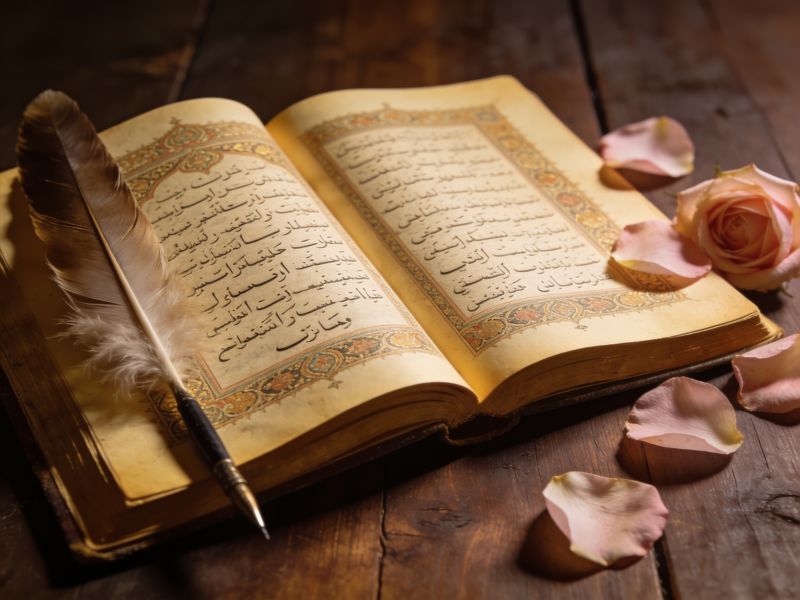
Saadi's language has a directness that survives translation surprisingly well. "The children of Adam are limbs of one body," begins a famous verse engraved at the UN headquarters—a line that feels modern in its call for solidarity. Yet he's also capable of brutal realism. In one Gulistan tale。a man beaten by a mob says, "I asked for justice, but they gave me stones." Saadi doesn't soften it. I once tried reading the Gulistan on a crowded bus;a stranger glanced at my page and said, "That book will make you either a cynic or a saint." He's right. Saadi offers no easy comfort, only sharp observation and a shrug at human folly.Is Saadi still relevant?
The Iranian diaspora quotes him in diaspora protests;Western ethicists cite his "limbs of one body" verse in climate justice debates. His tomb in Shiraz, rebuilt in the 1950s, remains a pilgrimage site for young couples seeking blessing and for tourists who stumble in from the nearby orange groves. I once watched a teenage girl argue with her brother about whether Saadi's tale of the generous pauper was meant as irony. They left laughing. That's Saadi's real legacy—not a monument, but a conversation that refuses to end.